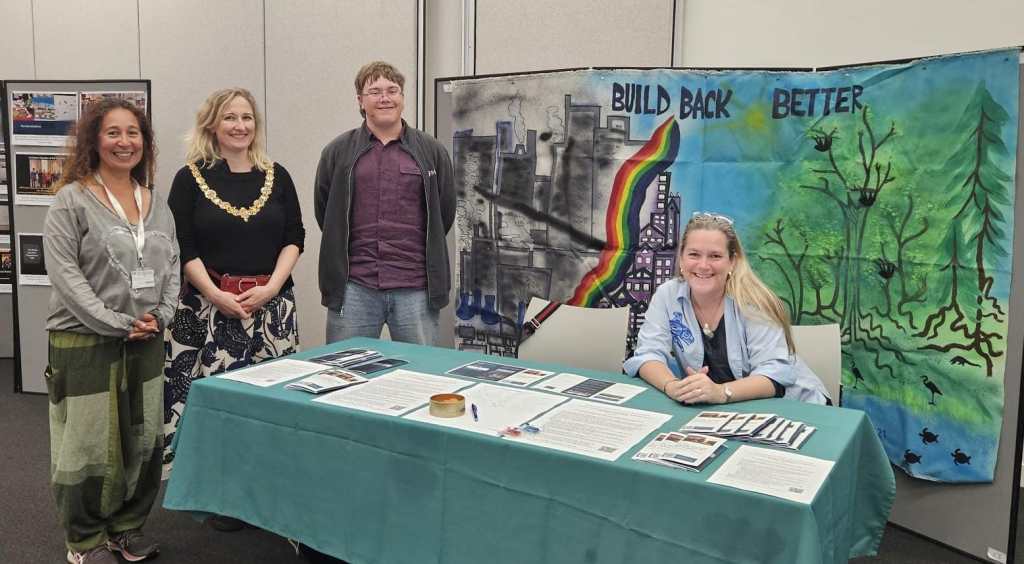
Mayor Maria Cleminson with Cllr Dr Antoinette Nestor, Cllr Nico Cordonier Gehring and Prof Marie-Claire Cordonier Segger at the Cambridge Zero Community Day “Fenlands Restoration for Flood Defences” stall, July 2026.
The misty green fenlands are sinking, as loss and damage due to flooding is increasing. A century and a half of drainage and questionable water management has left much of Cambridgeshire below sea level, held up only by pumps and ageing banks — and that same drainage is destroying the very peat this rare natural ecosystem and its peoples depend on.
Our Fenlands Restoration for Flood Defences project, part of GYC-SLS Cllr Nico Cordonier Gehring’s UWC Atlantic Systems Transformation Pathway intervention, is exploring how nature-based solutions like re-wetted fenlands can work alongside other flood defences. They are advocating for green, not just grey, infrastructure, so that our precious local wetlands and waterways can foster rather than frustrate sustainable water systems governance (SDG 6), promote climate change mitigation, adaptation and resilience (SDG 13) and protect critical habitat for biodiverse species (SDG 15).
Re-wetted fenlands, part of the Fenlands Restoration for Flood Defences project, Cambridgeshire, July 2026
We have spent the past months consulting scientists, community groups and drainage boards, creating new educational materials and a homepage, running workshops in local rural and urban schools to pilot the materials, editing a Heron Habitat Helpers Handbook for local children and families and a special SDG 6 clean water issue of our Harmony youth online journal, and speaking up for future generations in local and global water and wetlands events. We’ve also advocated for the rights of the River Cam, in a special community festival on 21 June 2026, and celebrated the Cambridge City Council’s recent historic resolution to recognise the river’s rights.
Now we want to hear from you. Join us on Wednesday 22 July at the David Attenborough Building for a community consultation — a 10am session for young people covering the presentation, our new educational materials and our Habitat Helpers Handbook, and a 1pm intergenerational roundtable open to hear everyone’s insights on the youth declaration and youth/community recommendations, and to identify next steps to convince decision-makers on all levels.
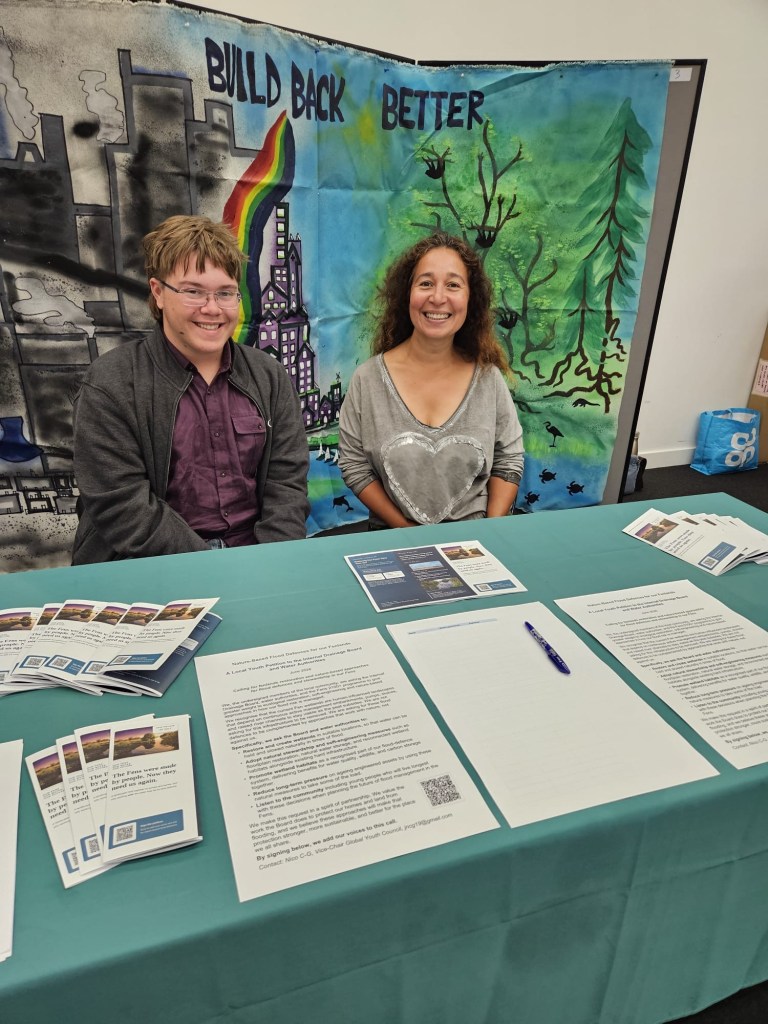
The GYC Fenlands petition stall with the flyer and petition laid out for signing.
Download the invitation flyer and petition, add your name now at c.org/zFbT9BVbtz, and also share the opportunity to be a voice for future generations with others!
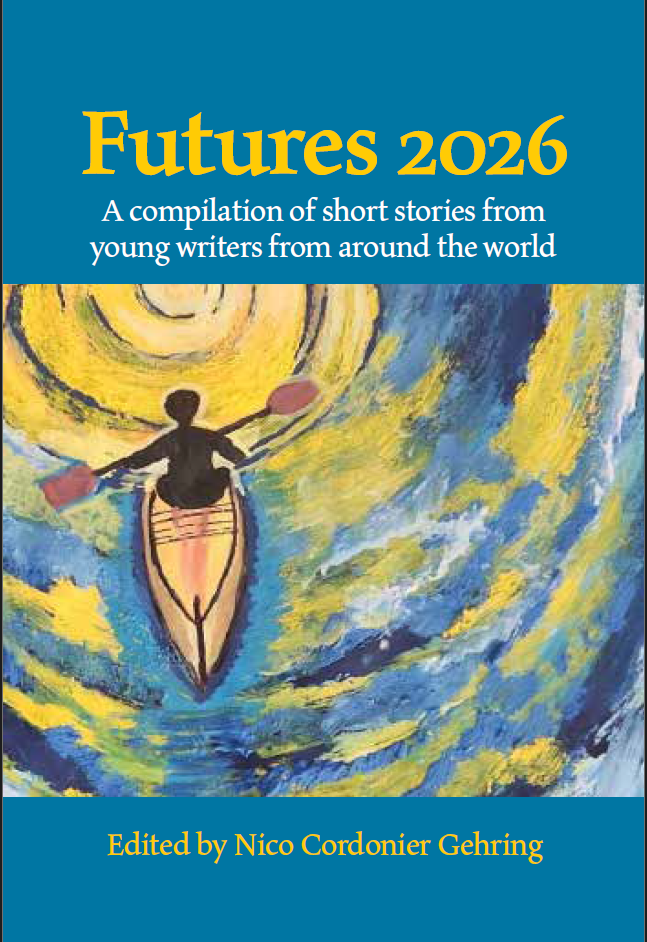
In a world where climate change and sustainability concerns define the challenges of our time, the youth are no longer asking for permission to speak. They are writing their own futures. Futures 2026, published by the Voices of Future Generations Children’s Initiative, brings together thirty award-winning short stories from young writers spanning six continents, offering a compelling vision of sustainable futures through the eyes of the next generation. Alongside this collection, young people ages 8–18 from around the world submitted short articles, photos, and artwork.
Published annually, Futures is now in its second edition. The breadth of this year’s stories is striking: the thirty pieces touch on clean water and sanitation, affordable energy, climate action, life below water and on land, gender equality, quality education, reduced inequalities, sustainable cities, and peace and justice. What gives the collection its force is the way these global challenges appear not as policy abstractions but as lived realities experienced by young protagonists in India, Myanmar, Canada, the UAE, Argentina, Nigeria, Romania, and beyond.
Stories That Show the Way
Environmental Stewardship
The dominant thread running through Futures 2026 is environmental stewardship. Most stories centre on a specific threatened landscape and on the young protagonist who fights to protect it. In “Zayar and the Thirsty Machine” by Myat Pan Khit (Myanmar), seventeen-year-old Zayar lives in a 2050 Yangon where fresh water arrives three times a week and the Ayeyarwady River has dried up—drained by the cooling demands of AI data centres. After discovering what the river once was, Zayar and his friends salvage parts from a tech graveyard to build a solar-assisted condensation unit that pulls moisture from the air and returns it to the earth.
In “The Last Monsoon Dancer” by Saanvi Rao (UAE), fourteen-year-old Sriya performs a traditional dance not to summon rain but to confront her community with what they have done to the land, pouring a single cup of clean water onto cracked earth and whispering, “To the last drop, because we waited too long.” Her protest goes viral, sparking conversations about water, climate, and courage.
In “The Last Mango Tree” by Aditi Haribabu (UAE), fifteen-year-old Tara wages a campaign to save the last mango tree in her rapidly industrialising village. Her “Roots of Tomorrow Campaign” gathers stories of environmental loss from across India and the UAE. A year later, her village passes a “Heritage Green Zones” law and the tree is declared a protected eco site.
In “The Last Mangrove Guardian” by Aleena Sara Jesson (UAE), fourteen-year-old Maha exposes toxic sludge poisoning her village’s mangrove forest using drone footage and water samples, launching the #GuardOurGreenLungs campaign that reaches national media and prompts a government task force.
In “Guardian of Sea” by Ananya Manikandan (UAE), twelve-year-old Carlos rescues a penguin chick from an oil spill on a Patagonian beach and founds Los Guardianes del Mar, a cross-border marine conservation network. In every case, environmental action grows from love for a particular place rather than abstract principle.
Indigenous Identity and Cultural Survival
A powerful cluster of stories, predominantly by Canadian authors, explores Indigenous identity and cultural survival. In “The New Moon” by Lissie Usuituayuk (Canada), Inuit teenager Tayen navigates displacement from Salluit to Montreal and finds belonging through an Indigenous youth programme and a community garden that links cultural survival to environmental care.
In “Discovering My Roots” by Maddy Mcardle (Canada), an adopted Cayuga girl reconnects with her nation through ceremony, beading, and an elder’s patient teaching—a story that confronts the legacy of the Sixties Scoop. These stories treat cultural identity as something that must be actively recovered, with a mature awareness of the historical forces that created the disconnection.
Technology and Its Costs
Several stories grapple with technology and its costs. “Between the Circuit and the Soul” by Virat Desai (UAE) frames the dilemma as an essay: the narrator is fascinated by technology and afraid of it in equal measure. “The Girl Who Grew a Forest” by Naomi Kene (Canada), set in the year 3002, follows a teenager who steals an extinct seed and descends to Earth to plant it among people who have chosen soil over simulation. In every case, the antidote is a return to something physical.
Gender and Justice
Gender and justice surface throughout the collection. In “The Last Monsoon Dancer,” Sriya defies a culture that silences girls to perform a protest dance that goes viral, forcing her village to confront what it has done to the land. In “Where Justice Wears Heels” by Afroz Idariya (India), Ann takes her school’s systematic discrimination against girls to court and wins. The protagonists who save the tree, the mangrove, and the river are overwhelmingly girls dismissed before they were heard.
Small Beginnings and Intergenerational Wisdom
Binding everything together is a conviction about small beginnings and intergenerational wisdom. The young protagonists draw on grandmothers, elders, and inherited stories even as they act in urgently modern ways: launching social media campaigns, building condensation units from salvaged tech, founding floating libraries. The book does not promise that everything will be fine. It promises that the attempt matters, and that one refusal to stay silent can multiply into something larger.
Why Futures 2026 Matters
As UN Special Rapporteur Prof. Astrid Puentes Riañó writes in the anthology’s preface, these young authors “do what law and policy sometimes struggle to do: they make visible the human meaning of environmental harm and environmental protection.” The stories “speak of loss and resilience, of injustice and care, of fear and courage.”
Judge Prof. Marcel Szabó emphasizes that the anthology proves “even the smallest voices, when raised with courage, can shift the tide of governance and accountability.” Each child’s perspective adds an essential piece to the global conversation.
Join the Movement
The young authors of Futures 2026 show that storytelling is both a creative expression and a tool for change. As one story brilliantly summarizes: “Cool people don’t deserve a warm planet.”
Through stories, artwork, articles and photos, young people are helping shape the global conversation on sustainability. Now it is your turn. Your words, images and ideas can spark change and influence discussions at the highest levels of global climate policy. The future is being written now. Make sure your voice is part of it.
Read and share Futures 2026, and consider ordering copies for friends, schools and libraries. In doing so, you will help celebrate these young voices and encourage even more young people to write, create and speak up.
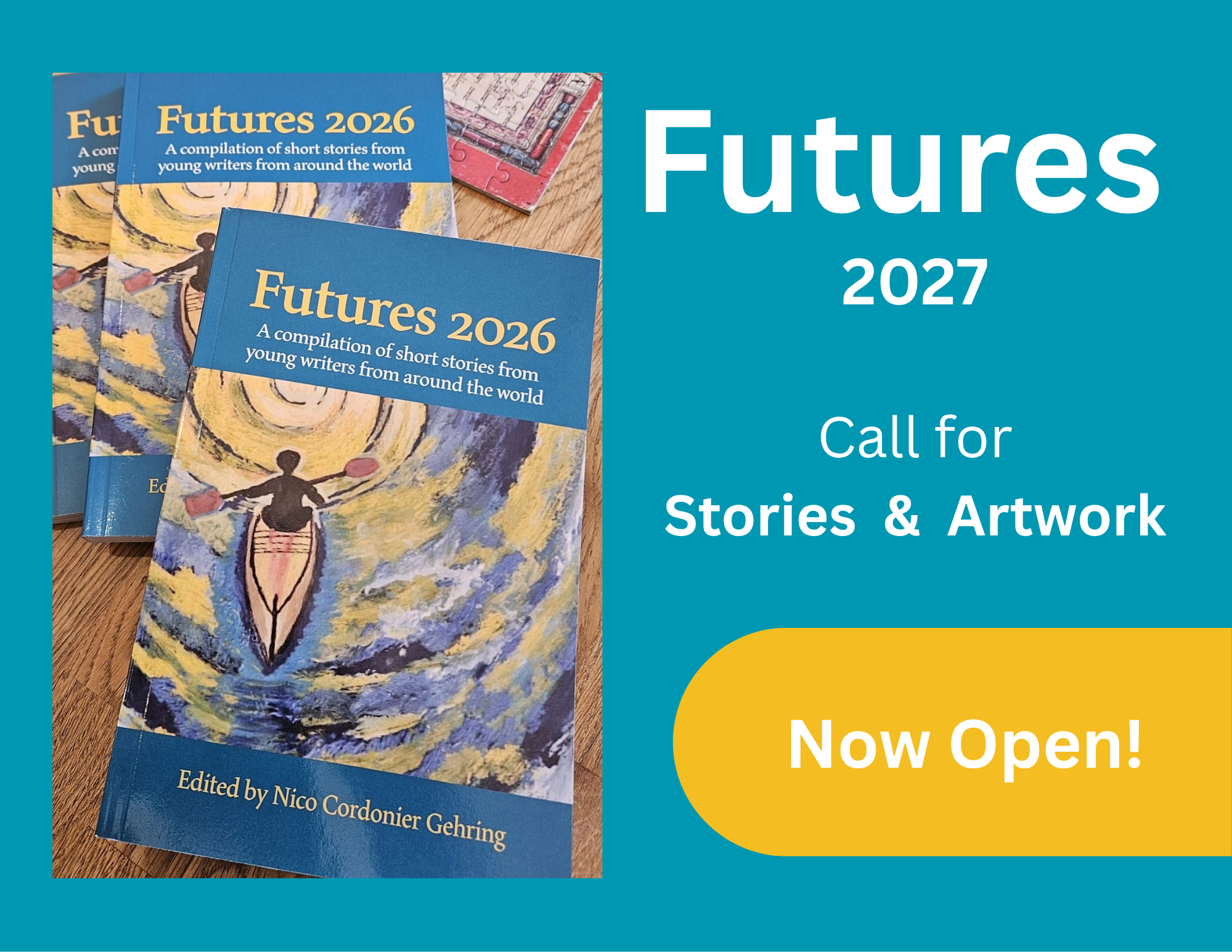
For more information, visit VoFG and GYC. Download the free PDF here, order a copy here, and revisit last year’s edition here. The call for Futures 2027 is expected in May, stay tuned!
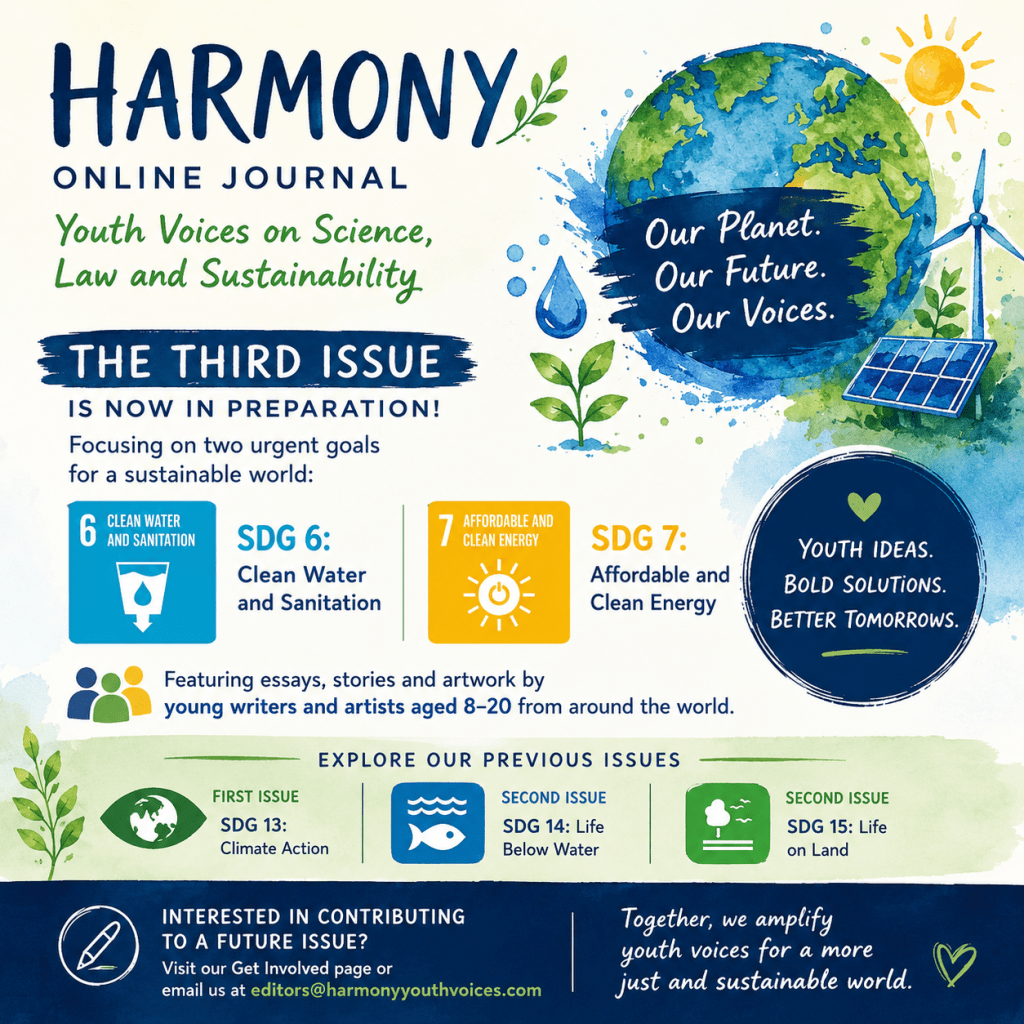
The Third Issue of Harmony Online Journal – Youth Voices on Science, Law and Sustainability is now in preparation!
This upcoming issue will focus on: 💧 SDG 6: Clean Water and Sanitation ⚡ SDG 7: Affordable and Clean Energy
Young writers and artists from around the world, ages 8–20, are coming together to share essays, stories, reflections, and artwork exploring what clean water and sustainable energy mean for their communities and futures.
At a time when global environmental challenges continue to grow, youth perspectives are more important than ever. Through creativity, research, and storytelling, Harmony provides a platform for the next generation of leaders, thinkers, and changemakers.
📚 Explore previous issues featuring: Second Issue🌊 SDG 14: Life Below Water & 🌱 SDG 15: Life on Land First Issue🌎 SDG 13: Climate Action
Do you know any creative, articulate youth from ages 8-20 worldwide who might be interested in submitting their creative and inspiring 3-5 page stories to be selected, edited and published?
Would you like to help them win awards and have their work published internationally?
Would like to empower young people to engage with global sustainability, justice, and the future that we want?
At this time, young people ages 8-20 and their families or friends, from around the world, are invited to submit short stories (3-5 pages) about fictional characters from their region of the world and any SDGs of interest, along with a 50-word biography, in order to be considered for awards and publication.
The stories should creatively and imaginatively communicate a message about global sustainability, justice and the future we want. Stories with characters and settings that share children’s culture and unique environment or local realities will be preferred. Importantly, the stories should be about the kind of future that young people would like to see (this can include, of course, stories about dystopian futures they don’t want, and how to avoid it).
The top stories will be chosen to feature in the Anthology, with the young writers winning Platinum, Gold or Silver Awards for their work.
Original artwork submissions will also be accepted. The Gold-winning artwork will be chosen as the cover for the Anthology.
This book will be published internationally, raising the voices of future generations and spreading our messages for a fair and sustainable tomorrow among peers and global networks, worldwide.
An International Commission of leading experts and agencies, together with youth leaders from around the world including VoFG alumni, will select the winning entries.
Eligibility:
(1) Youthages 8-20
(2) Open to all countries or communities
Guidelines for story submissions:
(1) Format: entries should be 3-5 pages single-spaced, size 12
(2) Submissions must include a 50-word biography of the author written in third person (she/he/they). Please refer to the following example from Futures 2026.
(3) Stories should be written with sustainability and our future in mind
(4) Language: Stories must be submitted in English or accompanied by an English translation if written in another language.
(5) Teachers involving one or more class groups in the contest should limit submissions to 10 entries.
Guidelines for artwork submissions:
(1) Artwork must be the original work of the contestant.
(2) Accepted artwork includes: paintings, drawings, collages and/or digital illustrations
(3) File formats accepted: jpeg, png & jpg
(4) Photos or scans of physical artwork must be clear and evenly lit. Blurry, too dark, too bright, or otherwise hard to appreciate artwork will not be considered.
(5) Ensure no copyrighted materials are used in the artwork
(6) Artwork suspected to be produced by Artificial Intelligence (AI) will not be considered.
(7) Contestants can participate in both the story and artwork contests.
How to Apply:
Please submit your entries via our online forms. Applications sent via email will not be accepted.
(3) Link to key messages from the UN Sustainable Development Goals.
(4) Specific focus on achieving one to three of the most crucial UN Sustainable Development Goals that address the most important problems and solutions special to the young writer’s culture, community or country.
To get a sense of the kind of stories we are looking for, please read previous editions here: Futures 2025 &Futures 2026
If you have any questions about the contest, please contact GYC Vice Chair and Futures editor Nico Roman at nico.roman@vofg.org, cc’ harmony.online.journal@gmail.com; ela.martinez@vofg.org
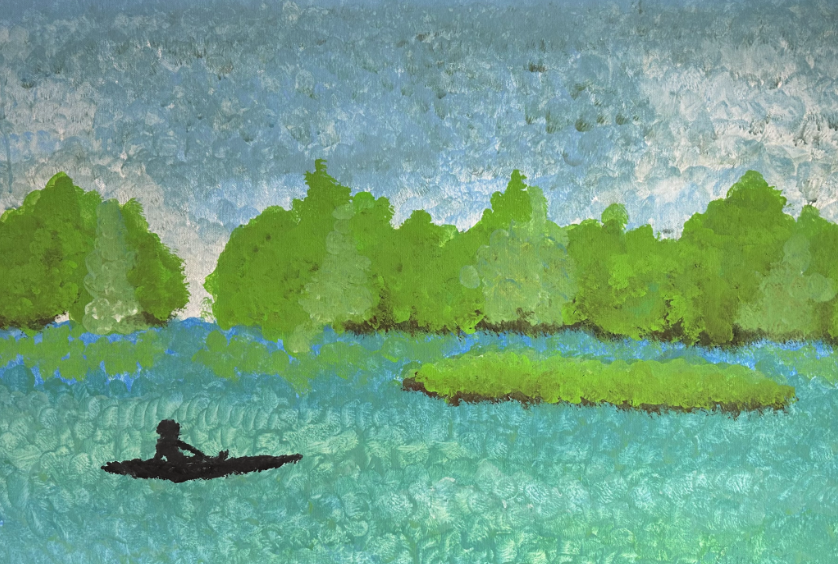
Hey! This August I’m kayaking 100km down the River Nene to raise funds for youth-led sustainability and nature protection
It’s part of a 1,000km Challenge for our Global Youth Council — and all donations go to support youth education, empowerment and conservation science charities.
The much-anticipated anthology Futures 2025: A Compilation of Short Stories from Young Authors from Around the World is now available, offering a unique and powerful collection of narratives that span continents and cultures. Edited by young sustainability leader, climate activist and scholar Nico Cordonier Gehring, Futures 2025 brings together twenty-eight award-winning short stories written by talented young authors from around the world, each addressing the most pressing issues of our time: climate change, sustainability, and the future of our planet.
From the resourceful adventure of a young girl who generates electricity from trash to the plight of a blue macaw fighting to save the Amazon rainforest, the anthology explores a wide range of perspectives on the global challenges posed by climate change. Through compelling narratives, readers are invited to discover what lurks in whispering forests, what secrets lie hidden in seascapes, and what lessons are waiting to be learned from a constellation of young mathematicians.
This creative and diverse collection is one of the initiatives of the Global Youth Council on Science, Law, and Sustainability (GYC), in partnership with the Voices of Future Generations Children’s Initiative (VoFG CI). The Council itself was founded by passionate students, united in their mission to advance environmental education and advocate for the rights of children facing the harsh realities of climate change.
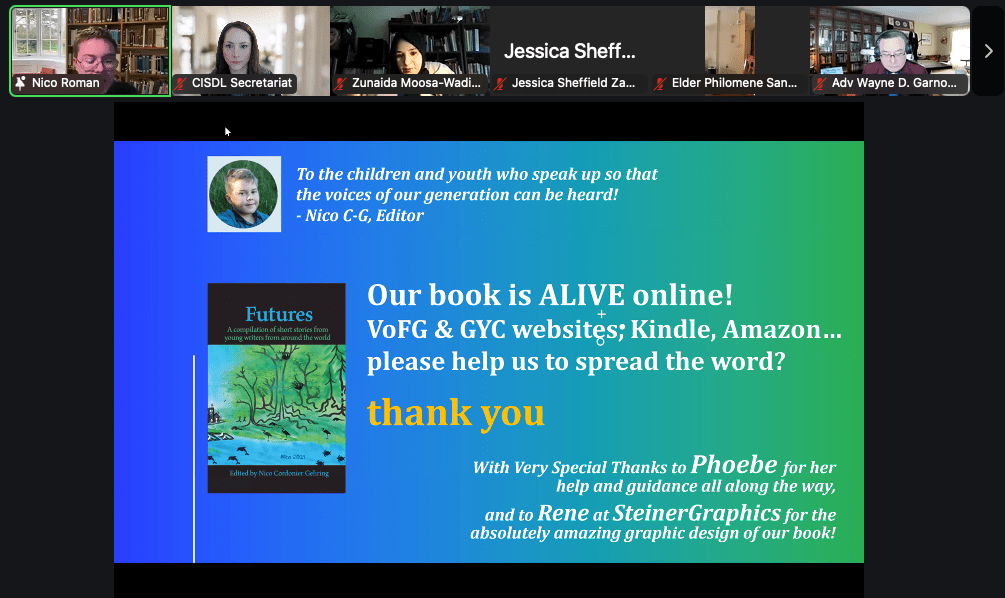
“We started with a small team and a contest, sending a call out to all our networks. We received over 200 hundred entries from more than 60 countries! The selection of the winning stories was made by an international panel of distinguished judges, who were really impressed with the creativity of the stories,” shares Nico Roman, the British and Canadian young editor of Futures 2025. “Our book is dedicated to the children who speak up so that the voices of our generation can be heard.”
Through the power of storytelling, the young authors featured in Futures share their hopes for a better world—one where communities unite, where nature is preserved, and where no one is left behind. This anthology uplifts the voices and concerns of children and youth representing diverse regions and communities, revealing the transformative power of their ideals, imagination, and determination.
A key contributor to the selection process, Professor Pamela Towela Sambo, Chair of the UN Human Rights Commission of Zambia, shared her thoughts on the anthology: “Each story reveals the intersection of the SDGs with the rights of children – showing how education, health, gender equality, access to water and energy, and climate action are not unrealistic dreams, but part of an indivisible commitment to human dignity.”
Several of the young writers also served, along with VoFG CI Child Authors and Ambassadors, as instructors in a new online course offered by University of Cambridge colleges and institutes, teaching the key essentials of the UN Convention on the Rights of the Child, Sustainable Development and the Law.
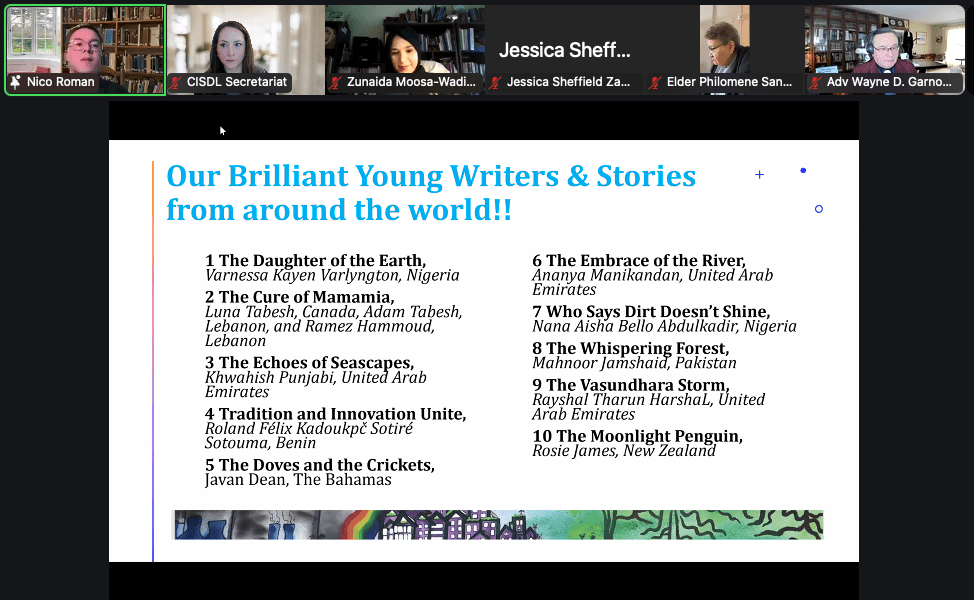
Special gratitude was conveyed, during the book’s online launch on the International Day of Education in January 2025, to Rene Steiner from Steinergraphics whose art was deeply appreciated, and to Phoebe McElligott who supported the youth throughout the project, as well as to the panel of distinguished judges.
As the world grapples with pressing global sustainability and justice challenges, Futures serves as a call to action and an inspiration for all of us. It highlights the urgent need to listen to the voices of youth, empowering them to lead the way toward a brighter, more sustainable future for all.
The anthology is available for free as a downloadable PDF. Physical copies can also be purchased on Amazon.
About the Global Youth Council on Science, Law, and Sustainability The Global Youth Council on Science, Law, and Sustainability is an international platform for youth engagement on critical environmental issues. Through publications, campaigns, and advocacy, the Council empowers young people to take action and raise awareness of the challenges that children face due to climate change. By fostering collaboration across borders, the Council promotes a global movement for sustainability and environmental justice.
International Online Roundtable on Education, Children’s Rights, and the SDGs Celebrates International Day of Education
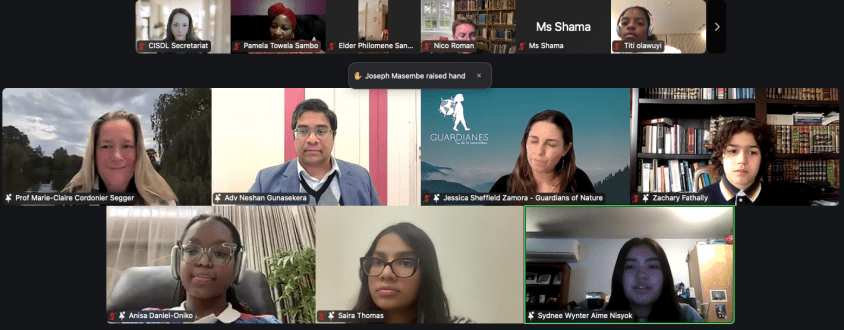
January 31, 2025 – The Voices of Future Generations Children’s Initiative (VoFG CI) hosted a thought-provoking international online roundtable on Saturday, January 25, 2025, in celebration of International Day of Education. The event attracted over 300 attendees from around the world, sparking rich discussions on education, children’s rights, and the Sustainable Development Goals (SDGs), particularly in the context of conflict and environmental degradation.
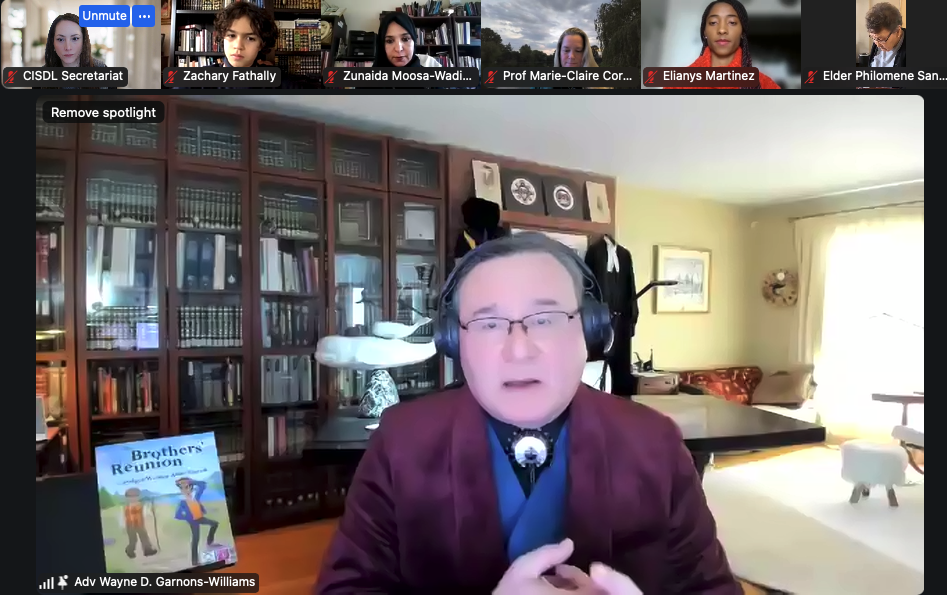
The opening prayer was led by Elder Philomene Sanderson, a Plains Cree Elder from the Moosomin First Nation, who set a solemn tone for the event. Following the prayer, Adv. Wayne Garnons-Williams, CEO of the National Sixties Scoop Healing Foundation of Canada, delivered a powerful set of opening remarks, underscoring the importance of Indigenous children’s rights and celebrating The Brothes’ Reunion, an inspiring book written by Indigenous Child Author Ms. Sydnee Wynter Nisyok which addresses the Sixties Scoop using child-friendly language.
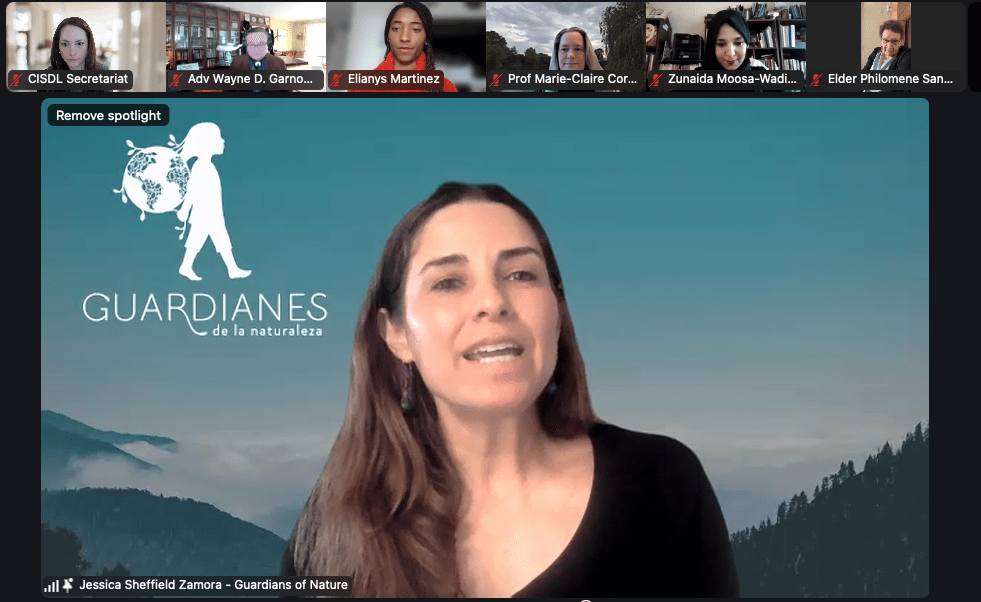
A highlight of the roundtable was the keynote speech by Ms. Jessica Sheffield Zamora, founder of the Guardians of Nature movement, who eloquently addressed the intersection of environmental protection and education. Her message emphasized the urgent need for education systems worldwide to integrate environmental stewardship, particularly in light of climate change and ecological crises.
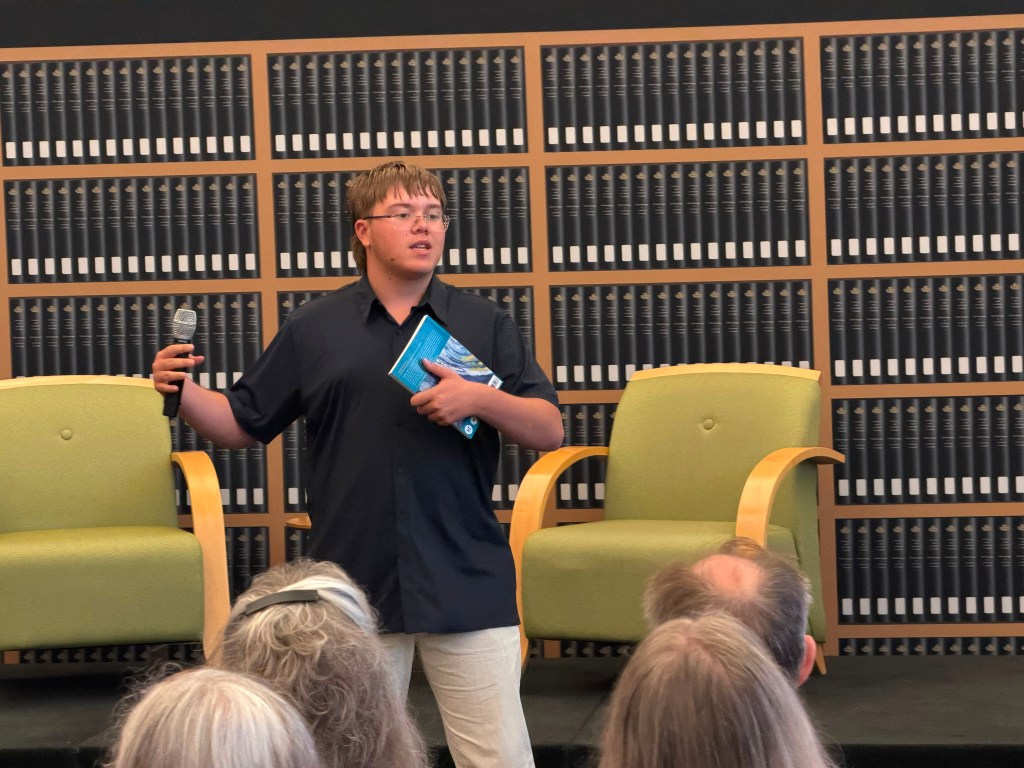
The event also saw the launch of Futures, an anthology curated by Master Nico Roman, who is also the Vice-Chair of the Global Youth Council on Science, Law, and Sustainability. The anthology features contributions from young voices advocating for a sustainable future. In his remarks, Roman highlighted the importance of youth-led initiatives in driving global change and championing the SDGs.
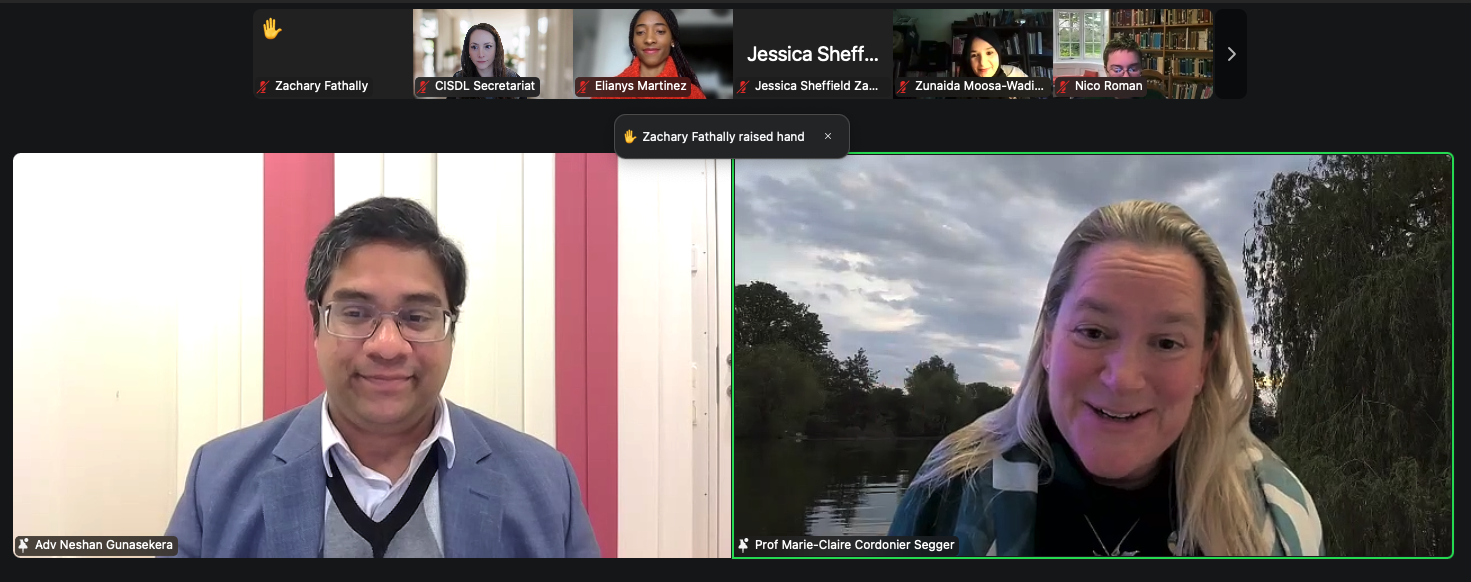
The online roundtable’s discussions were further enriched by insights from distinguished panelists and roundtable chairs, including Prof. Marie-Claire Cordonier Segger (CISDL, University of Cambridge, VoFG International Commission) and VoFG Lead Counsel Adv. Neshan Gunasakera. The panel addressed critical questions surrounding education and its role in the SDGs, such as:
How do you define quality education in the context of current global challenges?
What needs to change in education systems to empower children, especially Indigenous children?
How can we work together to uphold children’s rights and ensure their well-being now and in the future?
The roundtable addressed key issues such as how education systems worldwide can be reimagined to reflect the realities of climate change, conflict, and the need for greater inclusion of marginalized communities. Attendees expressed concerns about the future of education in the face of these challenges but also highlighted the growing role of children in shaping conversations around sustainable development and human rights.
A significant takeaway from the roundtable discussions was the emphasis on inclusivity. As one attendee remarked, “I was greatly impressed at how children were included in all the discussions.” Another shared their appreciation for the diversity of voices represented during the event, noting how “participants from various backgrounds provided valuable insights into how different cultures approach education, children’s rights, and sustainable development.”
One attendee remarked, “This should be broadcast in schools everywhere,” underscoring the importance of spreading these vital discussions to wider audiences, especially the younger generation. The event’s virtual format allowed for active participation from all corners of the globe, ensuring that diverse perspectives were heard and shared.
The roundtable concluded with closing remarks from Prof. Ann Skelton, Chairperson of the UN Committee on the Rights of the Child and Professor of Law at UNESCO Chair: Education Law in Africa. She stressed the importance of continued advocacy and the need to ensure that education becomes a powerful tool for advancing children’s rights and achieving the SDGs.
The roundtable served as a reminder that the future of education, children’s rights, and the SDGs is interconnected—and that the voices of future generations must be at the heart of these discussions.
You can watch the full recording of the event right below.
Currently, I’m also a student at Winchester College and I am actively involved in our Sustainability Society and Natural History Society. In addition to engaging in Model United Nations, I run my own blog, Nico’s Natural World, where I explore environmental themes close to my heart. I’m also a member of the editorial team for Harmony Youth Journal, an online platform dedicated to amplifying youth voices on sustainability challenges.
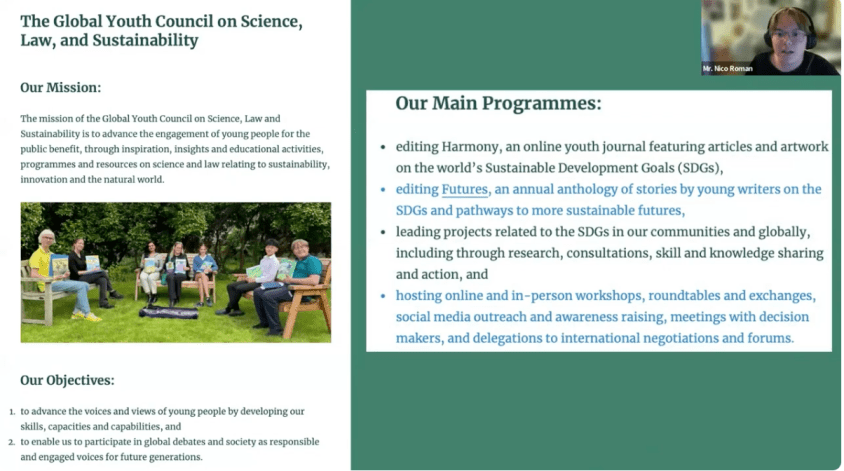
The Global Youth Council on Science, Law & Sustainability (GYC) emerged during the pandemic when a group of passionate young people decided to take action amid global challenges. Our mission is to advance education on the United Nations Sustainable Development Goals (SDGs) while engaging youth in critical conversations about climate action, biodiversity, and environmental law. Through initiatives like Harmony Youth Journal, we are helping young people from diverse backgrounds and countries to express their perspectives and contribute to the global dialogue on sustainability.
Right now, we face a biodiversity crisis and a worsening climate emergency, putting ecosystems and human livelihoods at risk. From the local wetlands of East Anglia, where I live, to fragile ecosystems around the world, nature is under threat. This loss is deeply unjust, particularly for future generations and the countless species with whom we share this planet. The SDGs—especially SDG 14 (Life Below Water) and SDG 15 (Life on Land)—and frameworks like the Convention on Biological Diversity (CBD) remind us that we all have a responsibility to protect and restore our planet.
In my recent article Protecting our Fenlands: A Short History of East Anglia Biodiversity Ravages, Resistance and Rewilding published in the Harmony Youth Journal, I addressed the ongoing destruction of wetlands. Wetlands are vital for biodiversity and act as natural carbon sinks, helping to mitigate greenhouse gas emissions. Growing up near these beautiful, misty landscapes of East Anglia, I have come to appreciate their unique wildlife, rich history, and resilient local communities. These communities hold deep connections to the land, with traditions and histories interwoven with Indigenous practices of conservation and resistance to exploitation.
Inspired by this landscape, last year I undertook a three-day paddle journey from Cambridge to the North Sea, covering 67 km to raise awareness and funds for wetland protection. The journey became a meaningful expression of resistance against climate change and biodiversity loss. The art I created from this experience reflects the beauty, resilience, and urgency of protecting these landscapes before they are lost forever.
Through Harmony Youth Journal and our other projects, we create a platform for young people to voice their concerns, share solutions, and demand urgent change. As we launched the second issue of the Harmony Youth Journal. This is just one step forward, but it is a powerful reminder of the impact we can have when we raise our voices together for a sustainable future.
Joining forces with other young activists at this event was an inspiring experience, and I’m hopeful that, together, we can drive meaningful action for our planet. Let’s continue this movement and make a difference before it’s too late.
The cultural, economic, and political history of the Fenlands, including my Cambridgeshire home in East Anglia, offer an inspiring tale of biodiversity ravages, resistance and rewildings. Across nearly 1,500 square miles of southeastern Lincolnshire, most of Cambridgeshire including parts of historic Huntingdonshire, and the westernmost parts of Norfolk and Suffolk, the Fens lie inland of the Wash. I was raised in this region where my grandfather and ancestors made their homes, and it is beautiful with wide open skies, vast misty wetlands, unique and wonderful wildlife, and distinct local communities. Local communities here hold a rich history, interwoven with indigenous religious practices and a spirit of resistance against external forces and exploitation, dating back to the days of the Gyrwas (the Fenlanders, or Fennish commoners) under King Canute. The history of Fenlands peoples and nature is a story of resistance to the destruction of biodiversity lands and livelihoods, which continues to this day through the conservation, carbon sink, and rewilding projects of local communities, youth, historians and scientists, including from the University of Cambridge.
We are delighted to unveil the distinguished panel of judges who will be evaluating the submissions for the Stories for Futures competition for young writers with a sustainable vision as Voices of Future Generations. With their extensive experience and deep appreciation for the written word, we are confident they will bring a unique perspective to the judging process.
🌟 Meet the Judges 🌟
Prof. Freya Beatens is a Professor of Public International Law at the Faculty of Law, and Director of the International Human Rights Summer School at the Bonavero Institute of Human Rights, also affiliated with the PluriCourts Centre of Excellence (Faculty of Law, Oslo University) and the Europa Institute (Faculty of Law, Leiden University).
Prof. Marie-Claire Cordonier Seggeris a world-leading scholar and jurist in the field of sustainable development law governance. She is the Senior Director of CISDL and serves as Chair in Sustainable Development Law and Policy at the University of Cambridge.
Mr. Alistair Henfrey is the Head of the English Department at Winchester College.
Dr. Odeeth Lara-Morales is the Programme Manager of VoFG CI, an Associate Fellow at CISDL, a Lecturer at the University of Waterloo and a Project Officer with UNA-Canada.
Max Lee is an avid writer, poet, and creative who aspires to help young children find their niches as he did through his love for language and literature. In 2020, in the midst of an epidemic, Max founded a Hong Kong-based youth education company driven by his true joy in educating, Crown Education, teaching with a small group of young visionaries from drama to debate to poetry.
Ela Martínez is an educator with over six years of experience working with teachers, students, and families within and outside of the school context. Ela is the Programme Coordinator of VoFG CI and an Associate Fellow at CISDL.
Julie Smith, Baroness of Newnham is a current member of the House of Lords and an academic specialising in European politicsat the University of Cambridge.
Prof. Pamela Towela Sambo, is the Head of Department, Private Law at the University of Zambia. She specialises in the legal aspects of environmental justice, EIAs and human rights.
We are honoured to have such an illustrious group of judges for this competition. Their diverse backgrounds and expertise will ensure a fair and insightful evaluation of each story.




 This August I’m kayaking 100km down the River Nene to raise funds for youth-led sustainability and nature protection